Startup journey
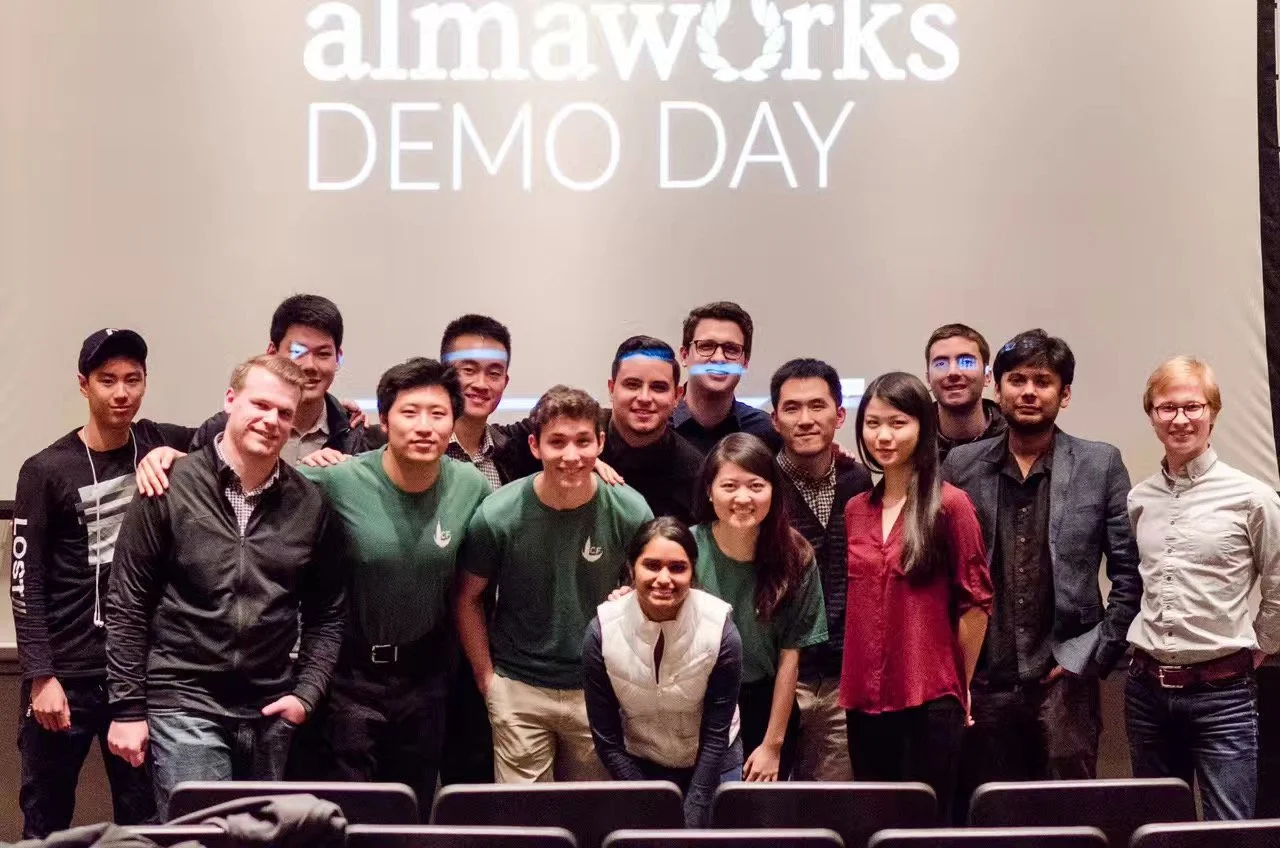
I am currently the CEO and co-founder of Path Mentors. On the side, I recently built Beiko, a proximity-based iOS social app with a built-in AI agent. Before all of this, I co-founded CityFoody (no longer active) in 2016 while still a student at Columbia.

2019-Current
Path Mentors provides personalized online “project-based mentorship” for middle/high school students, and has recently expanded to support college students as well. Our mentors are alumni of top schools such as the Ivy League, Stanford, and MIT, and many currently work at leading companies across a wide range of industries including technology, finance, medicine, science, film, design, animation, law, and more.
We started in spring 2019 with a few friends at Columbia and later expanded to a network of fewer than 100 mentors from a variety of top schools and industries. Most joined through personal referrals, often from friends and friends of friends who have known each other for years and understand who is truly a great fit to mentor the next generation.
Idea
The idea was born out of our frustration with the high-pressure, checkbox-driven culture surrounding college admissions especially in the Bay Area. We believe there’s a more fulfilling and authentic path to success than simply chasing test scores, overloading schedules, or completing endless to-do lists.
Instead, we help students excel by:
Project-Based:
Guiding student hands-on to explore their interests through personalized, impact-driven projects.
Mentorship:
Sharing firsthand experiences and real-world insights from mentors who are typically around 10 years older than the mentees. They have successfully navigated their own paths and provide personalized guidance for both school and career development.
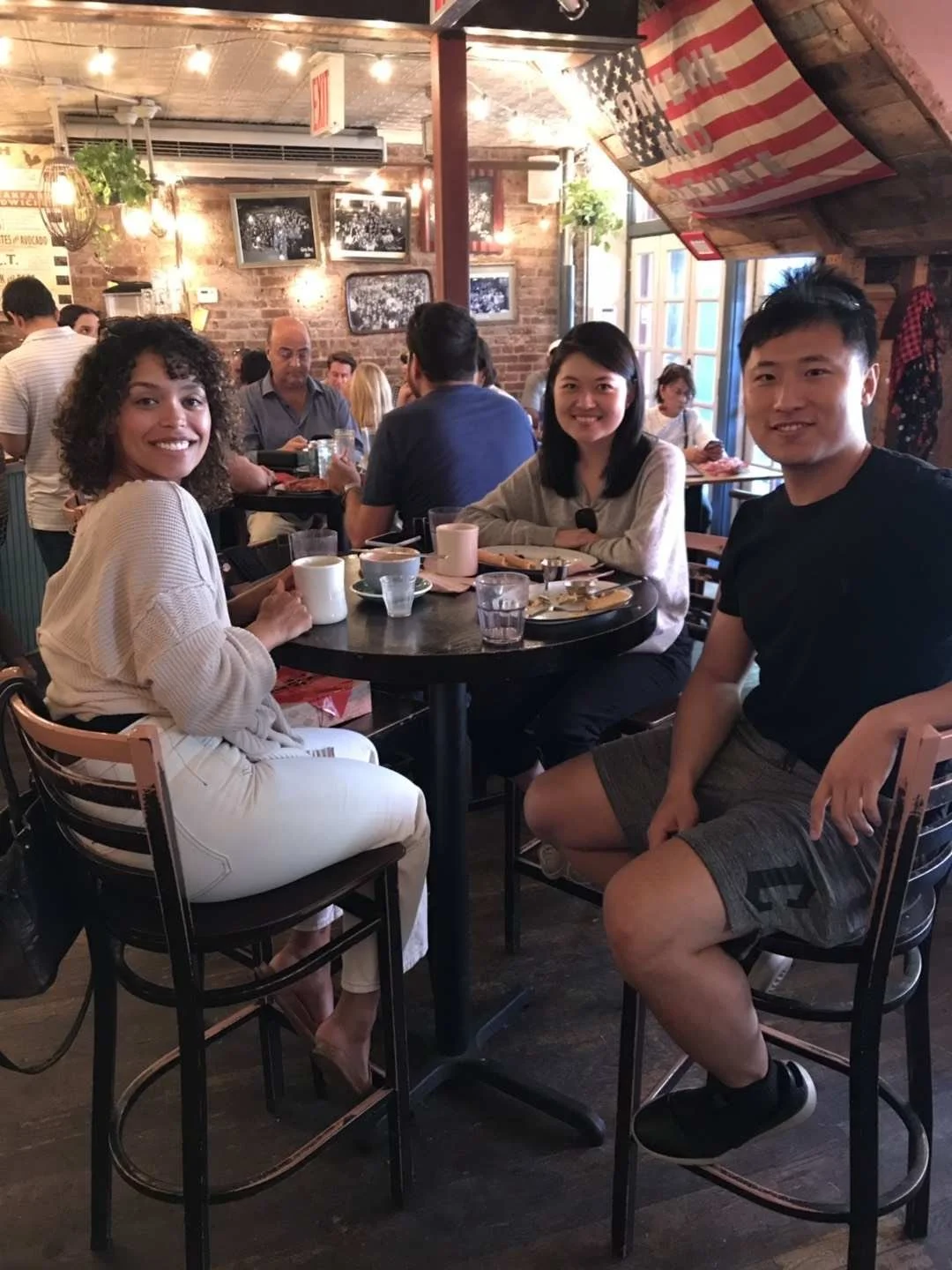
It’s been one heck of a run over the past few years, working alongside friends and colleagues from different schools and industries, and it’s been incredibly rewarding to witness each class of students grow and discover their passions on the path to their dreams.
2026-Current
Beiko is a proximity-based social app that reimagines how people meet in real life. Built on an anonymous-until-mutual matching mechanic, Beiko removes the fear of rejection that holds people back from real-world connection so you can focus on the moments that actually matter. Now live on the App Store and Google Play.
AI-Native. Production-Ready:
Beiko was built from zero to production through structured AI collaboration, every Cloud Function, Flutter widget, Firestore schema, and deployment pipeline produced using Claude, ChatGPT, and Gemini, with the founder directing all product, architecture, and technical decisions without writing a single line of code.
This required developing a precise, repeatable methodology for AI-driven development: mockup-first prototyping, one-change-at-a-time implementation, log-driven debugging, and confidence-first decision making. The result is a production-quality app with server-side security, StoreKit receipt verification, real-time location systems, and a built-in AI agent.
Beiko is built natively for iOS and Android using Flutter, with a Firebase backend handling real-time location, push notifications, and chat. The Spark and matching system runs entirely server-side, quota enforcement, mutual match detection, and in-app purchase verification are all handled in TypeScript Cloud Functions, never on the client.
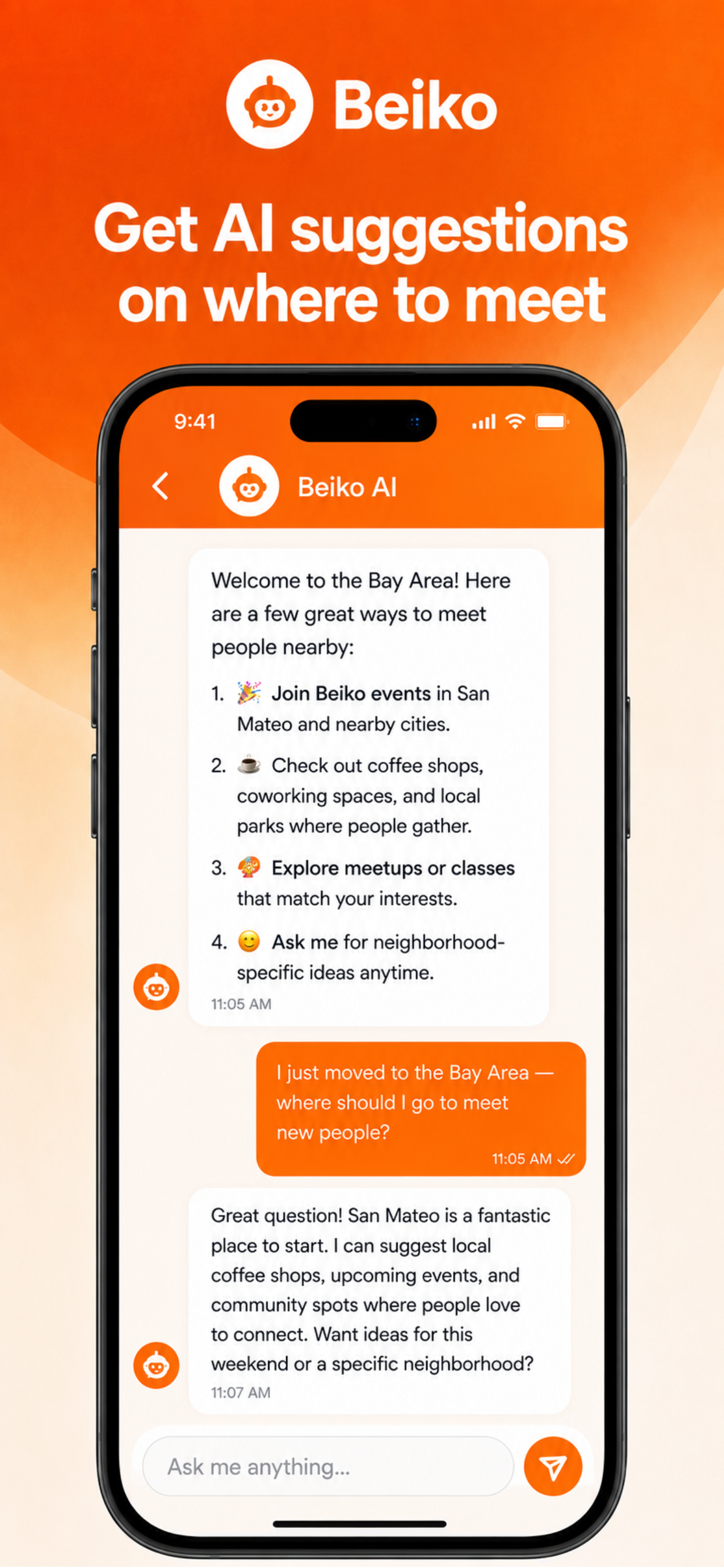
The app also features Beiko AI, an in-app assistant powered by GPT-4o that recommends nearby venues where Beiko members are currently active, combining real-time user density data with local venue information. Beiko AI knows where people are right nowand tells you exactly where to go.
CityFoody

2016-2018
CityFoody (no longer active) was an online ethnic grocery/food delivery service in New York City we founded in 2016.
At the time, services like Instacart and DoorDash were not widely used yet or didn’t deliver for long distance. CitiFoody marked my first startup journey while I was a master’s student at Columbia’s School of Engineering and Applied Science (SEAS). I started it with the hope of combining my learning in both engineering and business school. (My school encouraged students to take up to half of their credits from departments outside engineering, such as the business or law school, which gave me the opportunity to build cross-disciplinary skills early on)

Idea
The CityFoody idea came to me one day while I was riding the 1 train from the Upper West Side to Chinatown in downtown Manhattan. I saw a parent carrying travel-sized luggage full of Chinese groceries, with a baby in a carrier, struggling to walk up the stairs. They had just returned from a grocery run to Chinatown. After a brief conversation, I realized they had to have this kind of experience every couple of weeks. That’s why they used a luggage case to carry as much as possible in a single trip.
“Why wasn’t there a service where people could simply click and buy groceries online, and have them delivered straight to their door?”
We did some market research and discovered that major delivery services didn’t deliver long distances or hadn’t partnered with the ethnic grocery stores yet. Back then in Manhattan each ethnic community had its own neighborhood hub for groceries like Chinatown, Little Italy, Jackson Heights, East Village etc.

Make Something People Want Need
I can still clearly remember those freezing cold mornings when I got up around 5 a.m., knocking on my co-founder’s dorm room door, with the alarm blaring inside while they were still sound asleep. We would pile into the old Honda van and drive out to J-Mart in Flushing, Queens to pick up the freshest groceries for our customers, with the sky still pitch dark just like the middle of the night. With final exams later in the afternoon and NYC’s double-parking rules ending at 11 am (sure no, we didn’t have private parking), we had to make it back by 10:30 am to get in line for a parking spot on Riverside Drive and finish all our deliveries before then, hopefully squeezing in a quick nap before the exam.

It was all worth it when the apartment door opened and we saw the big smile on the father’s face as he received the freshly cut live striped bass along with other authentic groceries for his pregnant wife, while their one-year-old was playing on the floor. In that moment, we knew we had made their day.

“Make something people want” has been a guiding principle at Y Combinator. But as Henry Ford once said, “If I had asked people what they wanted, they would have said faster horses.” One key lesson we’ve learned on our journey is that people often do have limits on what they think they want. But when you create something truly valuable, customers will show you they need it through actions and data. And communicating with customers is essential at every stage. Another critical lesson was the importance of marketing channels. To achieve high growth, having an effective marketing channel is just as important as having a great product. Even the best product can fail without the right path to reach its audience.